

Thursday
Nov242022
The Professor, the Pipette
& the Path Not Taken

Becoming a Scientist

Virus Fighter
Build a virus or fight a pandemic!

Cell Mates: The ABC of immunology

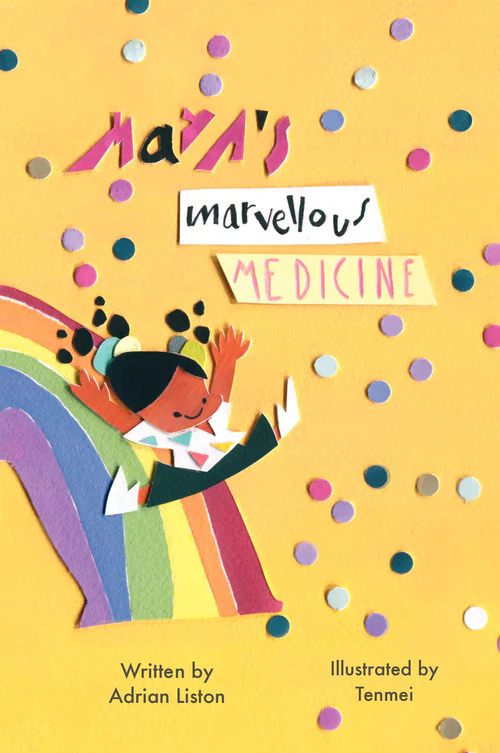
Maya's Marvellous Medicine
Battle Robots of the Blood

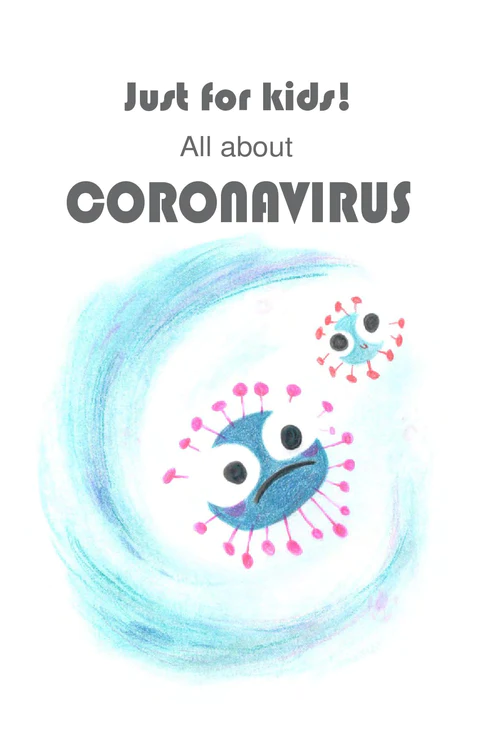
Just for Kids! All about Coronavirus
Learn about our spin-off, Aila Biotech!

 Wednesday, June 15, 2022 at 9:23PM
 Listen to a great episode of The Immunology Podcast to hear a section on our recent paper about brain Tregs.
Wednesday, June 1, 2022 at 9:54PM I was interested by Ruairi Mackenzie from Technology Networks for World Multiple Sclerosis Day. Here is the resulting article:
World Multiple Sclerosis (MS) Day recognizes the millions of people worldwide who are affected by this neuroimmunological disease. The campaign site for World MS Day 2022 strikes an optimistic chord, seeing the date as a chance to “celebrate global solidarity and hope for the future”. This year, there is more reason to buy into that optimism that ever before.
Recognizing the immune basis of MS
Adrian Liston, a group leader at the Babraham Institute, based near Cambridge, UK, is well-placed to explain that sunny outlook. He first studied MS as part of an undergraduate project. Over the two decades since, Liston has continued to research in the MS field, watching science’s understanding of the disease deepen.
“I think the most profound change has been the recognition that MS is an immune-mediated disease,” says Liston. The symptoms of MS are neurological – patients experience a range of sensory and motor conditions, including fatigue, numbness, spasms and weakness and loss of control over muscle movement or function. While MS has long been thought to include an immune component – Jean Martin Charcot, the French doctor who first described the disease, noted the presence of immune cells in patients’ spinal cords – it was only recently that the immune-mediation of the disease was fully understood. It’s now recognized that the neurological symptoms are a consequence of immune cells infiltrating the brain and attacking the myelin sheath coating that permits normal nerve cell conduction.
Part of that understanding came from the galloping pace of genetics research. The neurological symptoms of MS are in contrast with its genetic signature, explains Liston. From a geneticist’s point of view, “MS looks a lot like Type 1 diabetes, or any of these other autoimmune diseases, and the same genes are controlling it,” he says.
These genetic insights were added to a rapidly growing body of preclinical research. Experimental autoimmune encephalomyelitis (EAE) is an inflammatory autoimmune disease seen in animals that mimics the disease course of MS. This model proved essential for the development of drugs for MS. Liston explains that these drugs came in two waves. The first was heralded by the approval of interferon beta-1b in 1993, the first drug capable of altering the course of MS. The interferons, which reduce the number of immune cells crossing the blood-brain barrier, showed success at improving MS symptoms. This provided direct evidence that adopting an immune-targeting approach could help patients.
A new generation of drugs
For some, these early drugs have proved enduringly beneficial and remain their main course of treatment years later. MS drug development, however, continued to refine the targeting of the immune system. “What we really we have now is the second wave of drug generation, where we have much more sophisticated immune-modulating molecules, and we can really target very specific pathways of cells that are causing the damage,” says Liston. These new drugs (there are 23 FDA-approved mediations for MS as of 2022) work better and for longer.
Liston says that an MS patient today can expect fewer symptoms and far longer periods of good health than in the past. 85% of MS patients have a relapsing-remitting form of the disease, which sees symptoms wax and wane. While 20 years ago MS may have induced multiple relapses each year, with potentially permanent loss of function a risk each time, today a patient that responds well to the latest treatments can expect to go five or even ten years without any further relapses, says Liston: “It gives them a life well beyond diagnosis, which wasn't the case 20 years ago.”
The focus of these treatments is to minimize the damage of any immune attack on the brain. Can we also restore function lost during these attacks? Research in this area is progressing, if at a much slower rate. Data presented in 2020 showed that a compound, bexarotene (full disclosure: I’ve published research on this drug myself) was shown to restore some of the myelin lost during the disease course. Side effects of the drug and limited clinical impact meant bexarotene was not taken forward to approval. The challenges of restoring the damaged brain are significant, but this research shows that, in principle, healing the brain’s myelin might one day be possible.
A vaccine to prevent MS?
In the meantime, other findings have pointed a way to intercept MS earlier, stopping the disease in its tracks before it can ever cause damage to the brain.
It all begins with a virus.
Epstein-Barr virus (EBV), a type of herpesvirus, has long been associated with MS – studies had noted a higher risk of contracting MS after previously having infectious mononucleosis (IM), a disease caused by EBV – but a “smoking gun” had been hard to identify.
This is because up to 95% of the adult population have EBV, which is an incredibly successful virus that, after infecting a host, can lay dormant for years. Designing the right sort of study to test whether getting EBV would later increase your MS risk was therefore a huge logistical challenge. In January, however, researchers at Harvard Medical School met that challenge. Using a longitudinal method, the team collected blood serum samples from US military personnel, who are required to submit a blood serum sample at the start of and then after every two years of their service.
With samples from 10 million different people stored, the study was easily able to identify individuals who didn’t have EBV during their first sample, as well as those who developed MS during the course of their service. The study showed that, of 35 individuals who tested negative for EBV on enrolling, all but one of them went on to become infected with EBV before developing MS.
This corresponds to a 32-fold increased risk of developing MS. To put this in perspective, the strongest genetic risk factor for MS – which involves having a set of particular immune genes – confers a three-fold risk. This association is so strong, that the study, in Liston’s opinion, “finished the argument” on whether EBV plays a causal role in MS. The underlying theory is that, in some individuals, the body responds to the presence of the virus by mistakenly attacking the brain’s myelin sheath, triggering MS’s symptoms.
“Incredibly profound” implications
The finding and its implications, says Liston, are “incredibly profound”: “I'd say the best analogy is of human papilloma virus (HPV) and cervical cancer. Cervical cancer and some anal cancers as well are largely caused by infections with the virus, HPV. Now that knowledge was very controversial for a long time.”
The evidence linking HPV and cervical cancer is now solid, Liston says: “Most people who have the virus never get the cancer. But what that allows us to do is then go and develop vaccines for HPV. By preventing the infection, you essentially prevent the cancer formation.”
If a similar approach could be taken with EBV – vaccinating every child against the virus before they are infected – future generations could essentially be protected from ever acquiring MS. That’s a hugely exciting prospect. There is much more research to be done, however, before that reality is met. Liston points out that EBV “is not a trivial virus to attack” – it tends to hide within patients’ B cells and is happy to remain concealed there for a patient’s lifetime. Much more work will need to be conducted on how to target EBV and on the steps between infection and symptoms of MS.
The future of MS research
For now, says Liston, anyone interested in following the progress of the MS field should pay special attention to studies that improve the personalization of existing treatments. “We really want to be able to match up which medication is going to work on which person. In the case of MS, that is probably the single most important thing,” he explains. Currently, patients can endure multiple relapses while testing out which treatment works best for them. Work into matching patients with certain backgrounds and disease progressions with an appropriate drug could be hugely significant, says Liston.
The other exciting advance he mentions is the creation of better targeted drugs. Despite the advances of second-generation MS drugs, Liston says that in terms of specificity, they are essentially immune sledgehammers.
“In someone with MS, only 0.1% of their white blood cells are dangerous,” he says. But current treatments hit that 0.1% alongside a vast swathe of the rest of the immune system, which can have extreme side effects. New generations of drugs, Liston explains, will be better targeted at immune culprits. One field, antigen-specific tolerance work, looks to suppress the incorrect response by confused immune cells, restoring the balance of the immune system without impairing it from its important role of protecting our body against outside threats.
Time to be excited about the present
Is Liston hopeful about the future of MS research? “It’s not even just the future,” he responds, “I’m actually quite positive about the present of MS compared to where we were 20 years ago.”
The promise that drugs targeting the immune system could help MS patients has been well met. “We're not talking about cold fusion, where they've been promising boundless energy in 10 years’ time, and promising that for 40 years, we’re talking about a place where the promises have been delivered over and over,” says Liston. He believes that patients are going to continue to have longer, healthier lives as drugs improve and become smarter and more targeted.
The only note of caution Liston sounds is in managing our expectations: “We're not going to have these type of ‘Eureka!’ moments where there's one tablet that just cures MS, but we will be coming closer and closer to a place where there will be a treatment regime that works on almost every patient and is almost perfect.”
Those advances will partly come from innovative use of the latest techniques – Liston’s lab recently published work where gene therapy was used to edit a small fraction of cells in the brain. The edit caused these cells to produce a pro-survival molecule in the surrounding brain area. This is turn helped increase the numbers of regulatory T cell (Tregs) – a cell able to suppress damaging immune responses – in the brain. In animal models, the longer-living Tregs were able to not only improve MS-like symptoms but facilitate quicker healing from brain injury.
Neurological disease can so often seem intractable, beset by the complications of the brain and our still juvenile understanding of how the biological wonders in our heads function and fail. But on World MS Day 2022, there is plenty good news, at least in one small corner of brain medicine. “This is a very hopeful time for patients,” Liston concludes.
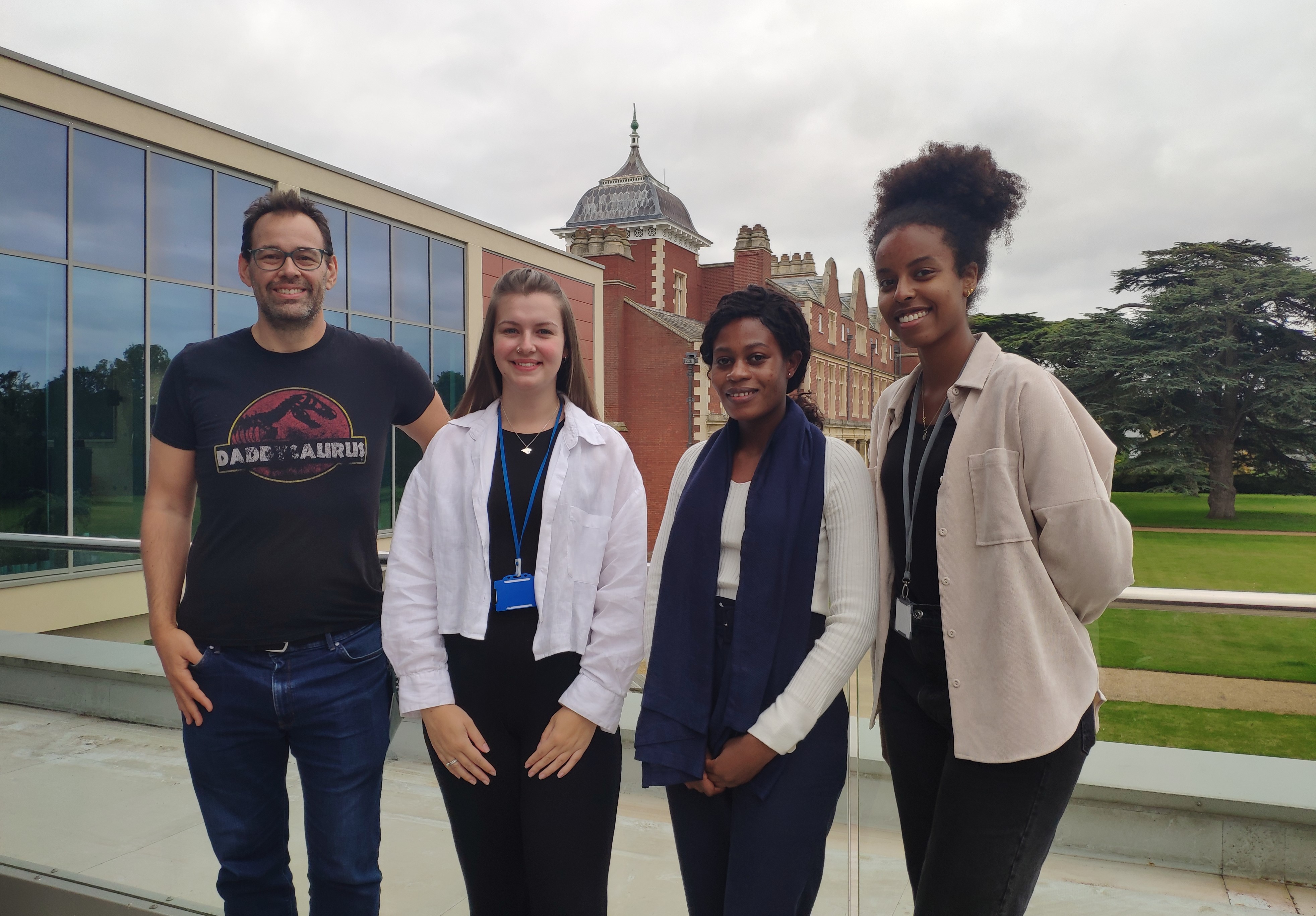
Wednesday, December 1, 2021 at 9:58AM Congratulations to the VirusFighter team for winning the Babraham Institute Public Engagement Award! VirusFighter is the reincarnation of VirusBreak. Over the last year I've worked with the PhD students in our lab, Amy Dashwood, Ntombizodwa Makuyana and Magda Ali, together with lab alumni David Posner, to create missions for VirusFighter - allowing the player to be Prime Minister of the UK during different virus outbreaks. GameDoctor created the interface, with liason via the PE team here at the Babraham Institute.
Congrats to Amy, Tombi, Magda and David - a huge contribution to scientific communication, and all during the first year of their PhDs!
Monday, November 29, 2021 at 10:56AM I'm very excited to announce the release of our new game, VirusFigher!
VirusFighter simulates the outbreak of viruses in the UK. Try the free play mode, and learn how small tweaks to viral lethality, virulence or incubation time change the dynamics of an outbreak. Test whether quarantine, social distancing or vaccination is the best approach for different viruses, and track the lives lost, the burden to the NHS and the economic cost.
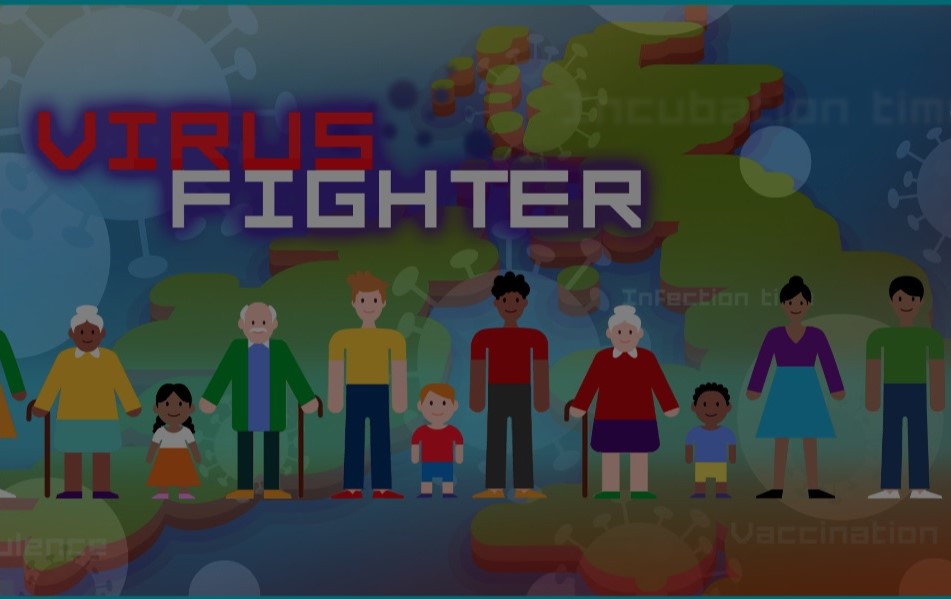
Or perhaps try mission mode: how would you do as Prime Minister during an outbreak of flu or COVID? Think you could do better? Listen to the advice of an immunologist at each critical decision point, and see how many lives your decisions cost. It is not always easy - see what the economist says and keep an eye on the economic cost too! When you've got that down pat, give a shot at something more exotic - an Ebola outbreak, or the "Big One" that gives virologists nightmares - Ebola gone airborne. Don't get too cocky with your good results managing COVID though, different outbreaks are best managed with different strategies.
VirusFighter is a neat tool for understanding how viruses spread and can be contained, for adults and children alike. Thanks to Simon Andrews for generating the original VirusBreak engine, GameDoctor for the new game engine behind VirusFighter, the Babraham PE team, and the science team: Amy Dashwood, Ntombizodwa Makuyana, Magda Ali and David Posner.
Tuesday, October 19, 2021 at 8:38AM Professor Adrian Liston, Senior Group Leader at the Babraham Institute, and artist Dr Sonia Agüera-Gonzalez have published a captivating story book to teach children about the immune system and why vaccinations are important. As some children begin to receive the flu vaccine ahead of this winter and with pharmaceutical companies applying for approval of their COVID-19 vaccines for children under 12, ‘Maya’s Marvellous Medicine’ can be used by adults to discuss key scientific concepts with them. The book is available on Issuu and Amazon today.
The book is set in a doctor’s office just before Maya receives a vaccination. Maya learns that vaccines are made up of bits of microbes that your body practices fighting, just like Maya practiced for her race at school. The doctor explains to Maya that dendritic cells present B and T cells with the clues that allow them to defeat the real microbes, even if that is years later.

The message in Prof. Liston’s book is two-fold, he explains: “After reading ‘Maya’s Marvellous Medicine’ I hope that kids will understand what a vaccine is, and how the immune system practices. More important, though, is the underlying message of empathy. Vaccines protect you, but they also protect your loved ones and your community.” Protecting others is the focus of Prof. Liston’s first book ‘Battle Robots of the Blood’, about a boy with a compromised immune system.
As an immunologist, Prof. Liston hopes his book sparks an appreciation for vaccines and work like his: “I'd love kids to learn just how cool the immune system is, and parents to be reminded that vaccines make us all safe. Vaccines have likely saved more lives than all other medical interventions combined, and yet they've come under targeted attack over the past decade, with deliberate misinformation campaigns. That means we need to be creating positive proactive stories, like Maya's Marvellous Medicine or Battle Robots of the Blood.”

Talking about her experience working on this series of books Dr Sonia Agüera-Gonzalez commented: “I have thoroughly enjoyed bringing Maya to life and telling such an important story. Books like the ones we have made can be a powerful tool for teachers, educators, parents and carers who would like to have conversations with young children about vaccines without glossing over the science behind the jab.”
Prof. Liston added: “I always look forward to seeing the new styles of illustration Sonia brings to a project. I also love seeing my own son’s reaction to the final products. This book is dedicated to him for all the time we spent together in the lockdown.”
science communication Monday, October 18, 2021 at 11:34AM  Our latest book for children, "Maya's Marvellous Medicine", is now out!
Follow Maya as she learns all about vaccines - the most marvellous medicines. Maya learns how the immune system works, and how vaccines help the immune system to be strong. Whether it is the immune system or a running race, the lesson is clear - practise makes perfect!
Take a look, either to learn all about vaccines and the immune system, or simply to enjoy the gorgeous illustrations by Tenmei.
The book is available freely in a digital format at Issuu, or you can order a paperback copy at Amazon.
Spreek je Nederlands? Met dank aan Erika Van Nieuwenhove, lees "Maya's magnifiek medicijn" op Issuu of Amazon.
