Navigation
Career development

See our career development resources!

Self-doubt in science

Public engagement

The Professor, the Pipette

& the Path Not Taken

Print your own copy

Digital on Kindle

Becoming a Scientist

Read online for free

Print your own copy

Virus Fighter

Build a virus or fight a pandemic!

Play online

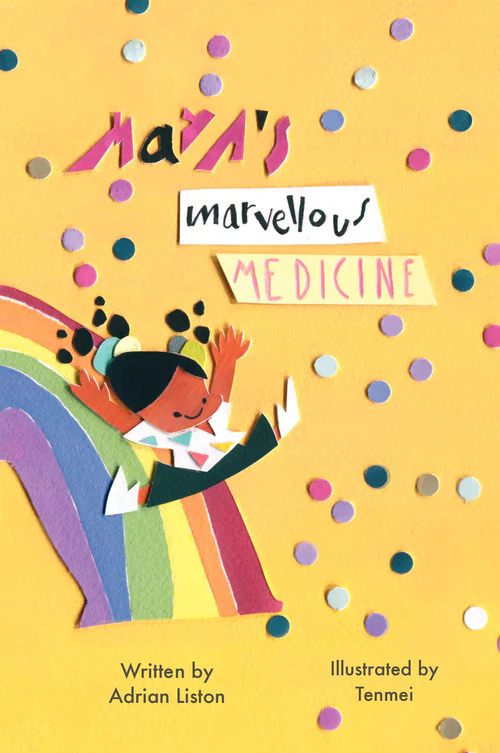
Maya's Marvellous Medicine

Read online for free

Print your own copy

Battle Robots of the Blood

Read online for free

Print your own copy

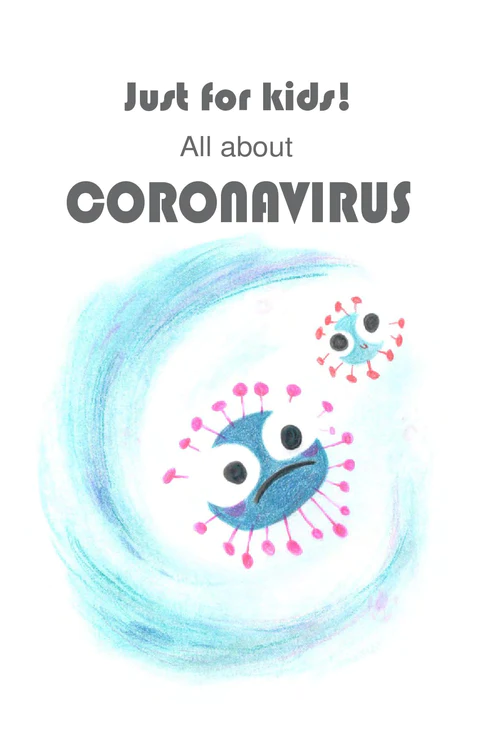
Just for Kids! All about Coronavirus

Read online for free

Print your own copy

Archive
Aila Biotech

Learn about our spin-off, Aila Biotech!

Entries in Medicine (59)

Friday
Feb062015

New disease (and cure!) found

As part of an ERC funded research program, the Autoimmune Genetics Laboratory is searching the genomes of young children with severe immune diseases to look for novel genes (and hopefully treatments). In a collaboration with Prof Carine Wouters and Prof Isabelle Meyts at UZ Leuven, we found mutations in a new gene, CECR1, in three severely ill children. Two of the children were born with a severe immune deficiency, making them prone to infections, while the third developed an inflammatory disease known as Castleman's disease. Mutations in the same gene, which produces the protein ADA2, were independently found by two other groups to give vascular disease and early-onset stroke. 

These studies identify ADA2-deficiency as a previously undiagnosed primary immunodeficiency which includes components of immune deficiency, inflammation and vasculopathy. Most importantly, this new diagnosis comes with a successful cure: prior to genetic diagnosis, our clinical collaborators were able to successfully treat the disease with bone-marrow transplanation (for the immunodeficient patient) or tocilizumab (for the Castleman's disease patient). These results therefore not only add to our knowledge about medical genetics, but also provide a direct diagnosis-treatment pathway for any new children identified with these severe diseases.


Read more:

Van Eyck, Hershfield, Pombal, Kelly, Ganson, Moens, Frans, Schaballie, De Hertogh, Dooley, Bossuyt, Wouters, Liston* and Meyts*. Hematopoietic stem cell transplantation rescues the immunologic phenotype and prevents vasculopathy in patients with adenosine deaminase 2 deficiency. J Allergy Clin Immunol. 2015 Jan;135(1):283-287.e5.

Van Eyck, Liston and Wouters. Mutant ADA2 in vasculopathies. N Engl J Med. 2014 Jul 31;371(5):480

Van Eyck, Liston and Meyts. Mutant ADA2 in vasculopathies. N Engl J Med.  2014 Jul 31;371(5):478-9.


If you would like to support our clinical research, and allow us to take on more cases like this one, you can make a tax-deductable donation the Ped IMID fund, by transferring to IBAN-number BE45 7340 1941 7789, BIC-code: KREDBEBB with the label "voor EBD-FOPIIA-O2010".

Thursday
Jan062011

The verdict on Andrew Wakefield: Fraud

In 1998 Andrew Wakefield published a paper which has severely damaged public health in the last ten years. Based on his observations of only twelve children, nine that he claimed had autism, and without a control group, he concluded that the measles/mumps/rubella vaccine caused autism. As a hypothesis, this was fine, unlikely, but not impossible. He saw nine children with autism, reported that their parents linked this onset with the MMR vaccine, and put it in the literature. Why on earth on underpowered observation like this made it into the Lancet is beyond me, but there is nothing wrong with even outlandish hypotheses being published in the scientific literature. Was it a real observation, or just an effect of a small sample size? Was it a causative link, or just due to coincidence in timing?

As with any controversial hypothesis, after this one was published a large number of good scientists went out and tested it. It was tested over and over and over again, and the results are conclusive - there is no link between the MMR vaccine and autism.

In itself, this was of no shame to Andrew Wakefield. Every creative scientist comes up with multiple hypotheses that end up being wrong. People publish hypotheses all the time, then disprove them themselves or have them disproven by others. If you can't admit being wrong, you can't do science, and it is in fact the mark of a good scientist to be able to generate hypotheses that others seek to knock down. Ten of the thirteen authors on the study were able to see the new data and renounce the hypothesis.

The shame to Andrew Wakefield is not that his hypothesis was wrong. No, the shame he has brought upon himself was by being unscientific, unscrupulous and unethical:

  1. Firstly, Wakefield did not present his paper as a hypothesis generator, to be tested by independent scientists. Instead he went straight to the media and made the outrageous claim that his paper was evidence that the MMR vaccine should be stopped. This is not the way science or medicine works and was a conclusion unsupported by the data. Worst of all it was a conclusion that many parents without scientific training were tricked into believing. Vaccination rates for MMR went down (autism rates have remained unchanged) and children started dying again of easily preventable childhood diseases. A doctor does not see half a dozen children that developed leukemia after joining a football team and then hold a press conference telling parents that playing sports causes cancer in children, which is the direct equivalent of Wakefield's actions.
  2. Secondly, it has now been conclusively demonstrated that his original data was fraudulent. Interviews with the parents of the original nine children with autism show that he faked much of the data of the time of onset, taking cases where autism started before the MMR vaccine and reversing the dates to suggest that the vaccine started the autism. Analysis of the medical records of these children show that as well as the timing being incorrect, many of the symptoms were simply faked and non-existent. The evidence on this charge alone makes Wakefield guilty of professional misconduct and criminal fraud.
  3. Thirdly, unknown to the coauthors of the study and the parents of the children, Wakefield had a financial conflict of interest. Before the study had begun, Wakefield had been paid £435 643 to find a link between vaccines and disease as part of a lawsuit. Every scientist must disclose their financial interests in publication so that possible conflicts are known - Wakefield did not. If he had disclosed this to the press conferences the media may have been slightly more skeptical about his outlandish claims.

These last two issues, scientific misconduct and financial conflict of interest, are the reason why the paper was formally retracted by the Lancet. Studies that are wrong don't get retracted, they just get swamped by correct data and gradually forgotten. Instead, the retraction indicates that the Wakefield paper was fradulent and should never have been published in the first place. Likewise, the British General Medical Council investigated the matter and found that Wakefield "failed in his duties as a responsible consultant" and acted "dishonestly and irresponsibly", and thus struck him off the medical registry.

The worst part about this sorry affair is that it is still dampening down vaccination rates. Literally hundreds of studies, with a combined cohort size of a million children, have found no link between the MMR vaccine and autism, yet one fraudulent and retracted study of nine children is still talked about by parents. Some parents are withholding this lifesaving medical treatment from their children, and their good intentions do nothing to mitigate the fact that cases of measles and mumps are now more than 10 times more likely than they were in 1998, and confirmed deaths have resulted. And Andrew Wakefield, the discredited and disbarred doctor who started this all? Making big money in the US by selling fear to worried parents, and deadly disease to children who have no say in it at all.


Friday
Aug132010

2010's worst failure in peer review

Even though it is only August, I think I can safely call 2010's worst failure in the peer review process. Just as a sampler, here is the abstract:

Influenza or not influenza: Analysis of a case of high fever that happened 2000 years ago in Biblical time

Kam LE Hon, Pak C Ng and Ting F Leung

The Bible describes the case of a woman with high fever cured by our Lord Jesus Christ. Based on the information provided by the gospels of Mark, Matthew and Luke, the diagnosis and the possible etiology of the febrile illness is discussed. Infectious diseases continue to be a threat to humanity, and influenza has been with us since the dawn of human history. If the postulation is indeed correct, the woman with fever in the Bible is among one of the very early description of human influenza disease.

If you read the rest of the paper, it is riddled with flaws at every possible level. My main problems with this article are:

1. You can't build up a hypothesis on top of an unproven hypothesis. From the first sentence it is clear that the authors believe in the literal truth of the Bible and want to make conclusions out of the Bible, without drawing in any natural evidence. What they believe is their own business, but if they don't have any actual evidence to bring to the table they can't dine with scientists.

2. The discussion of the "case" is completely nonsensical. The authors rule out any symptom that wasn't specifically mentioned in the Bible ("it was probably not an autoimmune disease such as systemic lupus erythematousus with multiple organ system involvement, as the Bible does not mention any skin rash or other organ system involvement") because medical observation was so advanced 2000 years ago. They even felt the need to rule out demonic influence on the basis that exorcising a demon would be expected to cause "convulsion or residual symptomatology".

This really makes me so mad. The basis for getting published in science is really very simple - use the scientific method. The answer doesn't have to fit dogma or please anyone, but the question has to be asked in a scientific manner. How on earth did these authors manage to get a Bible pamphlet past what is meant to be rigorous peer review? Virology Journal is hardly Nature, but with an impact factor of 2.44 it is at least a credible journal (or was, until this catastrophe). At least the journal has apologised and promised to retract the paper:

As Editor-in-Chief of Virology Journal I wish to apologize for the publication of the article entitled ''Influenza or not influenza: Analysis of a case of high fever that happened 2000 years ago in Biblical time", which clearly does not provide the type of robust supporting data required for a case report and does not meet the high standards expected of a peer-reviewed scientific journal.

Okay, Nature has also made some colossally stupid mistakes in letting industry-funded pseudo-science into their pages, but in the 21st century you would hope that scientific journals would be able to tell the difference between evidence-based science, and faith-based pseudo-science.

Saturday
Jul242010

A breakthrough for HIV prevention?

This week a breakthrough for HIV prevention was announced in Science. AIDS researchers in South Africa just completed a long-term study of Tenofovir Gel, and found that the gel, inserted into the vagina before sex, results in a 40% HIV protection rate for women. With 900 women being followed up for 30 months, the results look very solid, and potentially even better than the headline figure of 39% protection. As with all such studies, the protection rate given is with average usage, not ideal usage. The average study participant only actually used the gel for ~75% of sexual intercourse occasions. For the "high adherers", the group using the vaginal gel for >80% of sexual intercourse occasions, the protection rate was 54%. How important is this breakthrough? In a way, it is both bigger and smaller than the headlines would suggest.

A new tool to fight HIV spread

In the age of vaccines with efficacy rates of >99%, a ~40% protection rate sounds rather poor. Furthermore, this is currently a form of protection only against heterosexual transmission of HIV to women, with no data yet on any protection granted to males having sex with a HIV+ woman or as an anal gel for male homosexual transmission. HIV acquisition by non-sexual routes, such as intravenous drug use, will of course be unaffected by the gel. This is a very poor efficacy rate when compared to condom use. A Cochrane meta-analysis has determined that consistent use of condoms results in an 85% protection rate against HIV, which can go as high as 95% with correct usage. The protective effect is only on par with that of male circumcision, which multiple randomized trials have found protects males from heterosexual HIV transmission at a rate of around 60%.

Is the new gel then completely redundant? A downgrade from the condom? No, not for a key population group - the women of southern Africa. The ten countries of southern Africa together constitute 35% of global HIV cases, with HIV reaching a hyper-endemic situation with 10-30% of adults infected with HIV. In this region, heterosexual spread is the dominant form of HIV transmission, and indeed the risk factor of greatest magnitude at the population level goes to married women. Condom usage in Africa is generally very poor, with an average of only 4.6 condoms available per man per year, due to low demand. Only 7% of women in southern Africa reported using a condom the last time they had sexual intercourse with a regular partner. In particular, women who are food insecure are 70% less likely to use a condom when having sex, with less personal control over sexual relationships. Other women may not use a condom during sex for more personal reference - such as trying to conceive. A vaginal gel therefore provides (partial) HIV protection for the first time to any women who would not otherwise use a condom during sex, either because of personal choice, lack of sexual control, or through a desire to become pregnant.

The other important consideration is that any protection results in a greater number of cases being prevented than the effectiveness of the protection to the individual. This is because each case stopped also prevents the flow-on cases which would have spread from the infected individual. It has been estimated that a weakly protective vaccine, with only a 50% protection rate and only given to 30% of the population, would reduce new HIV infections by more than half, over 15 years. These figures are comparable to the results for Tenofovir Gel, so if the maximal potential is realized, this breakthrough has the ability to halve new African HIV cases.

A tool that will sit idle?

The problem, of course, is that the potential of this gel will not be realized. In many ways, the HIV epidemic is not a problem waiting for a medical solution, but rather a problem waiting for a social and political solution. Consider mother-to-child HIV prevention. Current medical treatment of HIV+ women during pregnancy and after birth reduces the transmission rate to the child by more than 99%. Even in developing countries, the treatment program has over 98% efficacy. And yet these cases, almost entirely preventable under current treatment, make up 15% of global HIV cases and 40% of HIV cases in southern Africa, since only 33% of pregnant HIV+ women in Africa get any form of anti-HIV treatment, let alone the recommended treatment program.

Other strategies, which are already proven to work, could make similar impacts if broadly implemented. Widespread male circumcision would reduce HIV rates by 60% in males and, by reducing prevalence, 30% in females. Comprehensive sexual education focused on preventing new infections can be highly successful. An aggressive campaign of university HIV testing and near universal antiretroviral treatment would be capable of reducing new HIV infections by 95% within 5 years. Just the simple treatment of individuals with genital herpes with current antiherpatic drugs could be expected to reduce transmission of HIV in southern Africa by 50%.

No, a new tool to fight HIV is not going to stop the virus. Realistically, the current tools available could cut new HIV cases by 99% within the decade, if only they were implemented. The true scourge of HIV is that it attacks the marginalised in society, hitting regions of great poverty, infecting those on the receiving side of racial and sexual discrimination. The people that, quite frankly, too many people feel deserve to be sick. Being interwoven with issues of sexuality, drugs, race and poverty, people in power have not only been slow to move - they have often moved in the wrong direction, such as the $15 billion pledged in aid by George W. Bush, with its focus on replacing effective condom use with ineffective "abstinence only" programs.

A major part of the problem is certainly lack of resources, both funding and public health infrastructure. The response to HIV has been delayed, fragmented, inconsistent and grossly under-resourced. Lesotho launched a national voluntary counselling and testing campaign aiming at universal testing, which fell through due to a lack of resources. In South Africa only 28% of HIV+ people have access to antiretrovirals. In Zimbabwe only 4.4% of HIV+ pregnant women are receiving antiretroviral treatment to prevent mother to child transmission. In Nigeria 10% of all HIV transmission events are due to lack of funds for hospitals to screen transfused blood, a situation which requires only funding to remedy. However, funding is not the only impediment to an efficient HIV prevention campaign. Policy makers have repeatedly failed to spend limiting resources on HIV prevention, concentrating on medical treatment without adequate care and support. This is despite the cost of most HIV prevention techniques being well under the $4770 per infection prevented that it would take to create a cost savings compared to simple treatment. What is needed to end the HIV crisis is, in fact, simple in health terms and is difficult only in political implementation – a coordinated and adequately funded approach to integrate evidence-based HIV prevention strategies, in concert with major social and economic development efforts to eliminate gender disparities, race- and sexuality-based discrimination and extreme poverty.

Wednesday
Nov112009

A time-line for diabetes research

6th century BCE – The first known diagnosis of diabetes was made in India. Doctors called the condition medhumeha, meaning "sweet urine disease", and tested for it by seeing whether ants were attracted to the sweetness of the urine.

1st century CE – Diabetes was diagnosed by the ancient Greeks. Aretaeus of Cappadocia named the condition διαβήτης (diabētēs), meaning "one that straddles", referring to the copious production of urine. It was later called diabetes mellitus, "copious production of honey urine", again referring to the sweetness of the urine. Unlike the Indian doctors, Greek doctors tested this directly by drinking a urine sample. At the time a diagnosis of diabetes was a death sentence: "life (with diabetes) is short, disgusting and painful" (Aretaeus of Cappadocia).

It is probably that the ancient Egyptians and early Chinese cultures also independently discovered diabetes.

10th century CE - Avicenna of Persia provided the first detailed description of diabetes (diagnosed through "abnormal appetite and the collapse of sexual functions" as well as the "sweet taste of diabetic urine"). He also provided the first (partially) effective treatment, using a mixture of lupine, trigonella and zedoary seed.

1889 – Joseph von Mering and Oskar Minkowski in Germany developed the first animal model of diabetes using dogs, discovering the role of the pancreas.

1921 - Federick Banting and Charles Best in Canada first cured canine diabetes by purification and injection of canine insulin.

1922 - For the first time diabetes stopped being a death sentence. In 1922 Federick Banting and Charles Best treated the first human patient with bovine insulin. Notably they decided to make their patent available globally without charge.

1922-1980 - Treatment of patients with animal insulin or human insulin extracted from cadavers. Substantial life extension but also significant side-effects.

1955 - Determination of the protein sequence of insulin by Federick Sanger in the United Kingdom.

1980 - First commercial production of recombinant human insulin, by Genentech.

Today there is no cure for diabetes, but when treated it only results in an average loss of 10 years (the same as smoking).

Friday
Oct232009

The ethics of biobanking

The University of Leuven hosted two lectures on biobanking today, one by Hainaut from the International Agency for Research on Cancer and the other by Juhl from the biobanking company Indivumed.

Biobanking is a tricky ethical area, with little consensus and vague law. Who owns the material taken from a patient? The patient? The hospital? The surgeon? If someone wants to use the material, what is the default position? Should the patient have to provide consent or is consent assumed unless the patient opts out? Does the patient even have the right to opt out at a latter time point? Hainaut made the case that there is a moral duty on every person to allow access to their biological samples for the good of humanity. His example was that a excised breast cancer not only belongs to that woman, but also to all other women who may develop breast cancer in the future.

This is an attractive argument but has flaws. If the information generated goes into the public sphere, such that new treatments can be developed and accessed, it may be reasonable to use the moral argument, in the same way that organ donation as the default option can be argued on moral grounds. However, to me this argument is flawed if the information generated does not go into the public sphere. If the information is not published (a secretive researcher or company keeping back information for potential future uses) or if it is published with restrictions on use (ie, patented) that information is not open to all of humanity. Isn't it unethical for a biobank to appeal to the moral duty to all of humanity unless legal restrictions are placed on the biobank to ensure that the proceeds of the bank are available to all of humanity? Doesn't informed consent require donors to be told the status of information generated from their samples?

Unfortunately, Hainaut was not able to answer this question when asked, as Juhl (CEO of a biobanking company that only publishes a fraction of the data it generates) jumped in with a rant about for-profit vs not-for-profit. His contention was that every person acts through the personal profit motive, so that whether the biobank made a profit or not didn't matter. His position is that only private companies have the money to put forward to do the research, and they deserve a profit for the research they do. Perhaps, but irrelevant to the ethical question. If the research outcomes are utilitarian then the utilitarian argument should be put to prospective donors - such as DeCode offering all future drugs free of charge to Icelandic people in exchange for access to the medical records and genome of the Icelandic people. Material can be collected for a utilitarian motive using utilitarian appeals, or for a moral motive using moral appeals. What is unethical is to use a moral appeal to collect material destined for a utilitarian purpose.

Hopefully we will see future legislation reflect the ethical considerations of biobanking in more a more thoughtful manner than was presented today. Donations made by the public for the public good should be legally bound to this use. It is illegal for a charity to accept a monetary donation, keep 90% of the money for personal use and spend 10% on charitable works. Likewise it should be illegal for a biobank that accepts material presented as a public donation to only release 10% of the data produced by the donation, and keep 90% to itself.

Monday
Oct192009

Infectious cancer

It has long been known that the several causes of cancer are infectious. Typically a virus contains a number of oncogenes to enhance its own proliferation, and in an infection gone wrong (for both virus and host) a viral oncogene is incorporated into the host DNA, creating an uncontrollable tumour cell. One of the best examples of this is human papillomavirus (HPV), a virus which infects most sexually active adults and is responsible for nearly every case of cervical cancer worldwide (which is why all girls should be vaccinated before they become sexually active).

However these cases are not "infectious cancers", they are infectious diseases which are capable of causing cancer. True infectious cancers, where a cancer cell from one individual takes up residency in a second individual and grows into a new cancer, were unknown until recently. With the publication of a new study in PNAS we now have three examples of truly infectious cancers.

1. In the most recent study, researchers in Japan documented the tragic case of a 28 year old Japanese woman who gave birth to a healthy baby but within two months had been diagnosed with acute lymphoblastic leukemia and died. At 11 months of age the child also become ill and was diagnosed with acute lymphoblastic leukemia. Genetic analysis of the tumour cells in the baby demonstrated that the tumour cells were not from the child herself, but rather maternal leukemia cells that had crossed the placenta during pregnancy or childbirth and had taken up residency in their new host. With this information, retrospective analysis indicates that this is probably not a one-off event, and at least 17 other cases of mother-to-child transmission of cancer have probably occurred.

2. In addition to mother-to-child transmission of cancer, cancer can spread from one identical twin to another. Identical (mono-zygotic) twins have identical immune systems, preventing rejection of "transplanted" cells, unlike non-identical (di-zygotic) twins. Thus a tumour which develops before birth in one identical twin can be transferred in utero to the other identical twin, where it can grow without being rejected. In one improbable but highly informative case, a set of triplets were born where two babies were identical and the third was non-identical. A tumour had arisen in one of the identical twins in utero and had passed to both other foetuses, but had been rejected by the non-identical foetus and accepted by the identical foetus. Of course, with the advent of medical transplantation, transmission of infectious cancers is now no longer limited to the uterus. Transplantation of an organ containing a cancer into a new host can allow the original cancer to grow and spread, as transplantation patients are immunosuppressed to prevent rejection. There is also a single case of a cancer being transmitted from a surgeon who cut his hand during surgery to a patient who was not immunosuppressed.

3. In a medical mystery well known to Australians, the population of Tasmanian Devils has been crashing as a fatal facial tumour has been spreading across the population. The way the fatal tumours have spread steadily across Tasmania and sparing Devils on smaller islands first suggested a new infectious disease that causes cancer, similar to HPV in humans. However a suprising study demonstrated that the cancer was directly spreading from one Devil to the next after having spontaneously developed in a single individual. These scrappy little monsters attack each other on first sight, biting each other's faces. The cancer resides in the salivary glands and gets transmitted by facial bites to the new Devil. Unfortunately for Tasmanian Devils, a genetic bottleneck left all Devils so genetically similar that they are, for immunological purposes, all identical twins. This means that the cancer cells transmitted from one Devil to another through biting are able to grow and kill Devil after Devil. The cancer from a single individual has already killed 50% of all Devils, and it is possible that we will have to wait until the cancer burns out by killing all potential hosts before reintroducing the Devil from the protected island populations. As unlikely as this seems, another similar spread occurs in dogs, where a cancer that arose in a single individual wolf is being spread through sexual transmission from dog to dog around the world. This example also illustrates the point made about cancers being "immortal" - the original cancer event may have occured up to 2500 years ago, with the tumour moving from host to host for thousands of years without dying out.

Saturday
Oct032009

When you eat matters

A very interesting study has just been published in the journal Obesity. The work, by Arble and colleagues in the Turek laboratory, fed mice high-fat food either during the day or at night. The surprising result was that mice fed during the day put on 20% more weight than mice fed at night. In both cases the mice had unlimited access to food yet both groups of mice ate the same amount, so there was no difference in net calories. Instead, what this result suggests is that the body deals with calories differently at different points of the diurnal cycle. During the active phase (night for mice) calories are shifted into burn mode, while during the resting phase (daytime for mice) calories are stored with greater efficiency.

If this result can be translated into humans it would suggest that large meals should be concentrated in the active phase of the day, breakfasts and lunches, and that evening or night meals should be restricted. An interesting proposal is that the American evening-biased eating rhythm compared to the European lunch-biased eating rhythm is partly responsible for the obesity problem in America. Of course it could only ever be a fraction of the problem, as many other correlates with obesity are well recognised. For example, a study by Pickett and colleages has demonstrated that countries with higher income inequality have higher calorific intake and obesity, and another study by Bassett and colleagues points out that Belgians burn 62 extra Calories per day by walking and cycling, compared to a poor 20 Calories per day by Americans.

The other important aspect of this study is that it contributes to the growing body of evidence dispelling the simplistic "obesity = too many calories and not enough exercise" formula. As published by the Segal laboratory, the majority of difference in body mass index (BMI) is due to genetics (64%). Being overweight does not mean that an individual is making worse eating or exercising decisions than a healthy range individual - the majority of the difference in weight just comes down to the fact that different genetics leads to different metabolisms.

Wednesday
Sep092009

The Placebo Effect

What is the "placebo effect"? The words are bandied around constantly but tend to be poorly understood. Put simply, the "placebo effect" is the medical response of your body to the idea that you are taking drugs, in the absence of actual drugs. How can this occur? There is nothing mystical about this, the effect of mood on brain chemistry is well documented, and the physiological effects of brain chemistry on our body are surprisingly strong. What is more unusual is a question posed by a recent article in Wired - why does the placebo effect appear to be getting stronger in drug trials?

Is this true? Is the placebo effect actually getting stronger? Actually we have no idea. Drug companies never test the strength of the placebo effect. To actually test the placebo effect you need to have three groups: no treatment, placebo treatment and drug treatment. The "no treatment" group measures the spontaneous remission rate (is, the background of how many people would get better over the treated period of time without treatment). The "placebo treatment" group can then measure any additional effects of the patients thinking they are taking drugs, while the "drug treatment" group measures the biomedical effect of the drug. Since drug companies almost never include a "no treatment" group, the increasing effect in the "placebo treatment" group could either be due to increasing spontaneous remission rates or due to an increasing effect of placebos. Changes in spontaneous remission rate are just as feasible as changes in the placebo effect, as the health of the population is generally increasing over time, and a generally healthy person has a higher spontaneous remission rate.

If we assume, however, that it is the placebo effect that is increasing over time, do we have reasonable explanation for this? The answer is probably a lot more simple than drug companies are making it out to be. Changes in the scale of the placebo effect are regionally localised and concentrated in conditions such as depression, epilepsy and pain. The simplest explanation (and hence, according to Occam's razor, the one we turn to first) is that the patient composition of these groups has been changing over time, especially in certain regions. In particular, we have observed large improvements in medical diagnosis, such that more subtle cases are being detected. We have also experienced a "medicalisation" of non-medical conditions, strong moods or emotions being labelled as medical conditions and lumped together with cases caused by biomedical disruptions (ironically driven largely by drug companies seeking to expand their markets). It would be predicted that less severe cases of medical conditions, and emotional/behavioural conditions misdiagnosed as medical conditions, would be more amenable to the effects of placebos on brain chemistry. A simple test for this hypothesis exists - take an existing drug and recruit a patient cohort using identical criteria as the original drug trial. If the "altered patient cohort" hypothesis is correct a new drug trial using past inclusion criteria should show the same level of placebo effect as the original trial.

Of course the real issue for the drug companies is that the drugs being developed and tested are less and less efficacious. The placebo effect is only an issue when drugs have borderline effects. If a drug company invented a new quinine or penicillin there would be no concerns about skating around the edges of statistical significance.

Page 1 ... 2 3 4 5 6