

Thursday
Nov152018
The Professor, the Pipette
& the Path Not Taken

Becoming a Scientist

Virus Fighter
Build a virus or fight a pandemic!

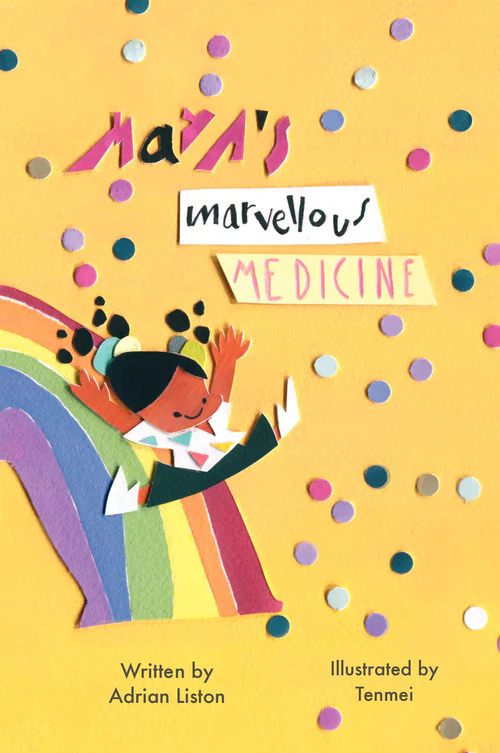
Maya's Marvellous Medicine
Battle Robots of the Blood

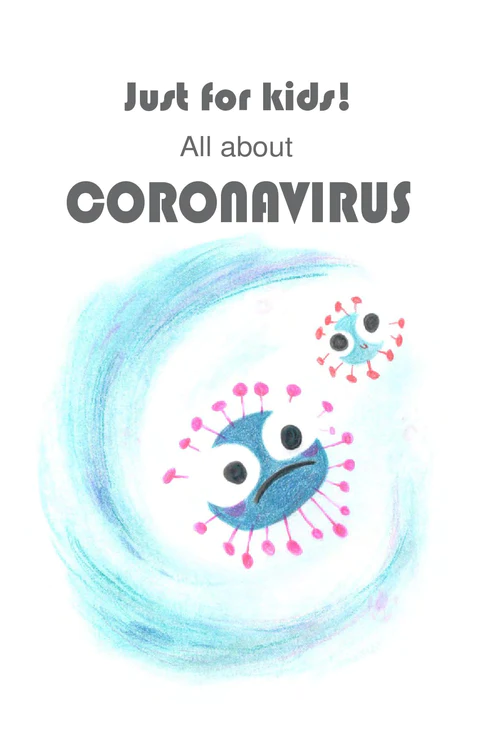
Just for Kids! All about Coronavirus
Learn about our spin-off, Aila Biotech!

 Wednesday, November 14, 2018 at 11:26AM
 by Adrian Liston and Josselyn Garcia-Perez
Primary immunodeficiencies (PID) are a heterogeneous group of disorders that disturb the host’s immunity, creating susceptibility to infections. PIDs are genetically diverse, with mutations in many different genes capable of causing immunodeficiency. The clinical symptoms of PIDs include, but are not limited to, susceptibility to infections, inflammation, and autoimmunity, although each gene mutated, and indeed each individual mutation, can lead to different manifestations.
Central to understanding PIDs is to understand which immune cell type is rendered defective by the mutation the patient carries. The type of infections the patient develops is often a key indicator of the underlying immunodeficiency; for example, pulmonary infections and bacterial septicemia are associated with B cell defect, whereas fungal susceptibility is associated with defects in certain types of T cells. Candidate pathways can be investigated using genetics and immune screening, and successful identification of the underlying causes allows a treatment program to be tailored to the patient.
Thursday, November 8, 2018 at 5:43PM Liston lab Thursday, November 1, 2018 at 10:07AM I've been reading a lot on the movement to normalise the working conditions of a PhD. A PhD is a lifestyle choice more than a job. The work permeates into your evenings, weekends and holidays. It is difficult to mentally dissociate from the work due to the emotional investment placed in it, which frequently leads to mental health issues. A growing number of students want the PhD to become a more normal "9-5" job, to work just the standard hours they are paid for, in conditions similar to any other profession. This is entirely reasonable.
science careers 


